Introduction
The first time I looked at a balance sheet, it genuinely felt like reading a foreign language. Rows of numbers, unfamiliar terms, no story to follow. But once someone actually walked me through it, learning how to read a balance sheet turned out to be far simpler than it looked — and it’s one of the most useful skills any business owner can pick up.
What a Balance Sheet Actually Shows
At its core, it’s a snapshot of what your business owns and owes at a specific moment in time. Learning to read a balance sheet properly tells you a lot more than your bank balance ever could.
Quick answer: To read a balance sheet, focus on three sections — assets, liabilities, and equity — and confirm that assets always equal liabilities plus equity, which is the fundamental accounting equation.
The Three Main Sections
- Assets — everything the business owns, from cash to equipment to inventory
- Liabilities — everything the business owes, including loans and unpaid bills
- Equity — what’s left over for the owners once liabilities are subtracted from assets
Understanding Current vs. Non-Current Assets
Current assets are things you can convert to cash within a year — inventory, receivables, cash itself. Non-current assets are longer-term, like property or equipment that won’t be sold off quickly.
Understanding Current vs. Non-Current Liabilities
Same logic applies here. Current liabilities are due within a year, like short-term loans or accounts payable. Non-current liabilities stretch further out, like a long-term business loan.
Picture a small manufacturing business owner reviewing her balance sheet for the first time with an accountant. She was surprised to see her current liabilities nearly matched her current assets — a warning sign of tight cash flow she hadn’t noticed just from checking her bank account.
[link to related guide about bookkeeping mistakes to avoid here]
The Accounting Equation That Ties It All Together
Assets = Liabilities + Equity. This equation should always balance — hence the name. If it doesn’t, something’s been recorded incorrectly somewhere.
Key Ratios You Can Calculate From a Balance Sheet
- Current ratio (current assets ÷ current liabilities) — measures short-term financial health
- Debt-to-equity ratio — shows how much of the business is financed by debt versus ownership
- Working capital (current assets minus current liabilities) — indicates available operating funds
Red Flags to Watch For
- Liabilities growing significantly faster than assets over time
- Very low or negative working capital
- A large gap between reported cash and actual bank balances, suggesting recording errors
FAQ
Q: How often should a business review its balance sheet? Monthly is ideal for most small businesses, though quarterly at minimum is generally recommended.
Q: What’s the difference between a balance sheet and an income statement? A balance sheet shows a snapshot at one point in time, while an income statement shows performance over a period, like a month or year.
Q: Do I need accounting software to create a balance sheet? It helps significantly, though very small businesses can maintain one manually with spreadsheets initially.
Q: What does negative equity on a balance sheet mean? It means liabilities exceed assets, which typically signals financial distress that needs immediate attention.
Q: Can a business be profitable but still have a weak balance sheet? Yes, profitability and financial health aren’t the same thing — a business can show profit on paper while still carrying risky debt levels.
Conclusion
Learning to read a balance sheet isn’t about becoming an accountant overnight. It’s about being able to glance at three sections and understand, in plain terms, whether your business is financially healthy. Once it clicks, you’ll wonder why it ever felt intimidating in the first place.
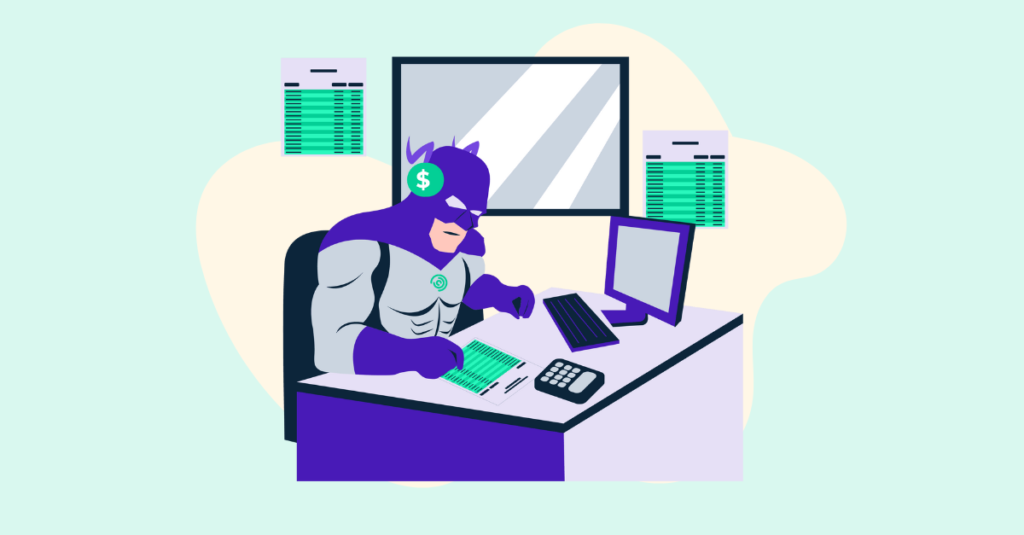
Suggested Image Alt Text: “business owner reviewing balance sheet with calculator and laptop”