Introduction
I’ve seen identical products sell completely differently based purely on photo quality. E-commerce product photography isn’t just about making things look pretty — it directly affects whether customers trust your listing enough to actually click “buy.”
Why Product Photos Matter So Much Online
Customers can’t touch or examine products in person, so e-commerce product photography has to do all that convincing work visually. Poor photos create doubt, even for a genuinely great product.
Quick answer: Strong e-commerce product photography requires consistent lighting, a clean background, multiple angles, and at least one lifestyle shot showing the product in real use — all of which build customer trust and reduce return rates.
Get the Lighting Right First
Natural light near a window works surprisingly well for most small sellers, and it’s free. Avoid harsh direct sunlight or dim indoor lighting, both of which distort colors and create unflattering shadows.
Use a Clean, Consistent Background
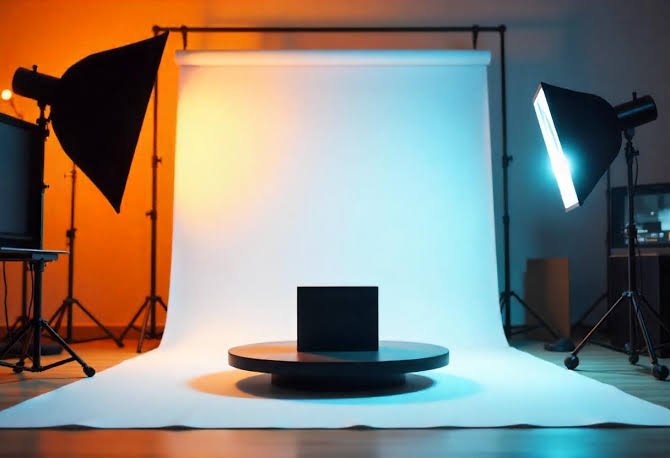
A plain white or neutral background keeps the focus entirely on the product and creates a professional, consistent look across your entire catalog.
Picture a small candle business that used to photograph products on whatever surface was available at home — sometimes a kitchen counter, sometimes a bed. After switching to a consistent white backdrop setup costing under a couple thousand rupees, their listings looked dramatically more professional, and their conversion rate noticeably improved.
[link to related guide about choosing an e-commerce platform here]
Show Multiple Angles
A single front-facing photo leaves too many questions. Include side views, close-up details, and if relevant, the packaging itself.
- Front and back views for clothing items
- Close-up shots of texture, material, or fine details
- Scale reference photos (next to a common object) for size context
Include at Least One Lifestyle Shot
A product shown in actual use — worn, displayed, or being used — helps customers imagine it in their own life far better than a plain studio shot alone.
Keep Image Sizes Optimized for Web
Large, unoptimized images slow down your page load time, which hurts both user experience and SEO. Compress images without noticeably sacrificing quality.
Be Honest About Color and Scale
Misleading photos that don’t match the actual product lead to returns and bad reviews. Accuracy builds far more long-term trust than an overly flattering edit.
Don’t Skip Video When Possible
Even a short 10-15 second video showing the product in motion or in use adds a level of trust that static photos alone can’t fully replicate.
FAQ
Q: Do I need professional equipment for good product photos? Not necessarily — a decent smartphone camera with good lighting can produce genuinely strong results for small sellers starting out.
Q: How many photos should each product listing have? Generally 4-8 photos covering different angles, details, and at least one lifestyle shot works well for most product types.
Q: Does product photography actually affect conversion rates? Yes, multiple e-commerce studies consistently show a strong link between photo quality and purchase decisions.
Q: Should I edit my product photos heavily? Light editing for brightness and color accuracy is fine, but avoid heavy edits that misrepresent the actual product.
Q: What background color works best for product photos? White or light neutral backgrounds are the safest, most versatile choice for most product categories.
Conclusion
E-commerce product photography is one of the highest-return investments a small online seller can make — and it doesn’t require an expensive studio setup to get right. Focus on good lighting, consistency, and honesty in how the product actually looks, and you’ll likely see the difference in both conversions and reduced returns.
Suggested Image Alt Text: “product photography setup with white backdrop and lighting”