Introduction
Most people think a sales funnel is just a fancy term for “marketing to leads.” It’s more specific than that — it’s the actual path someone takes from first hearing about you to becoming a paying customer. Get the stages right, and conversion rates improve dramatically without needing more traffic at all.
Why a Structured Funnel Beats Random Marketing
Without a clear sales funnel, businesses often throw content and ads out randomly, hoping something sticks. A structured approach means every piece of content has a specific job to do.
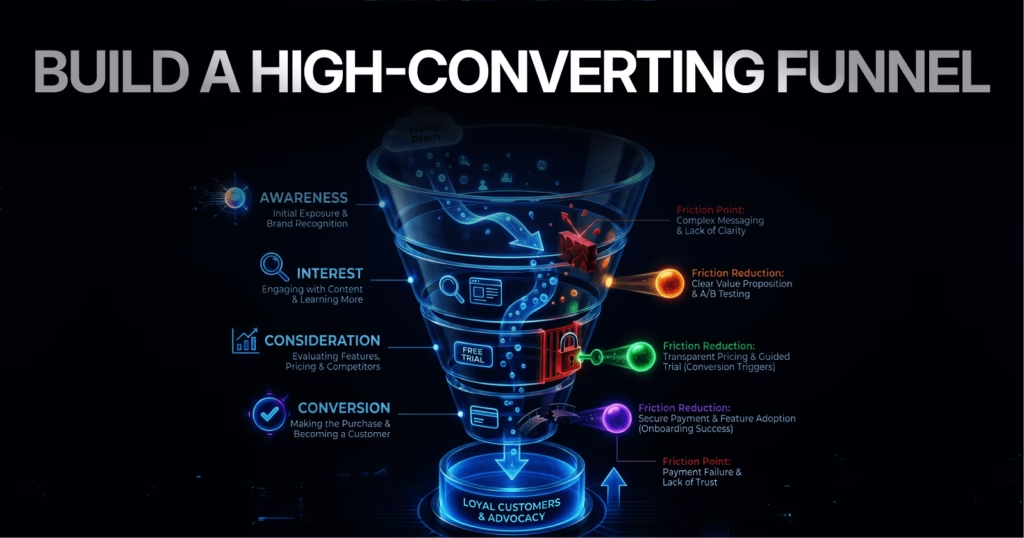
Quick answer: A sales funnel works by guiding prospects through distinct stages — awareness, interest, decision, and action — with tailored content and offers at each stage to move them closer to purchase.
Stage 1: Awareness
This is where people first discover you exist. Blog content, social media, and ads typically live here. The goal isn’t to sell yet — it’s to earn attention and establish relevance.
Stage 2: Interest
Once someone’s aware of you, they start evaluating whether you’re actually relevant to their problem. Email newsletters, deeper content, and case studies work well here.
Stage 3: Decision
Now they’re comparing you against alternatives. This is where testimonials, pricing clarity, and direct comparisons matter most.
Picture a SaaS company that noticed strong traffic but weak conversions. Digging into their funnel, they realized the decision stage had almost no social proof — no case studies, no reviews visible. Adding three detailed customer stories at that stage alone lifted conversions noticeably within a month.
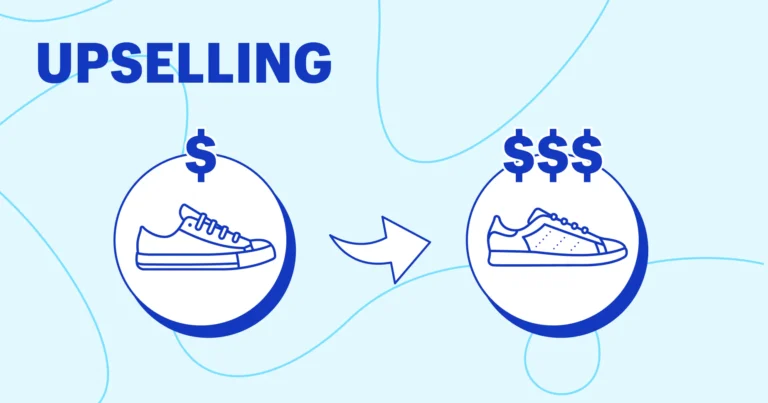
[link to related guide about upselling techniques here]
Stage 4: Action
This is the actual purchase or signup moment. Reduce friction here as much as possible — fewer form fields, clearer CTAs, simpler checkout.
- Remove unnecessary form fields at checkout
- Offer multiple payment options
- Add urgency only when it’s genuinely true (limited stock, real deadlines)
Don’t Forget the Post-Purchase Stage
A sales funnel doesn’t end at the sale. Onboarding, follow-up emails, and support in the first weeks heavily influence repeat purchases and referrals.
Map Content to Each Funnel Stage
Sending a hard sales pitch to someone who just discovered your brand rarely works. Match your messaging tone and offer to where someone actually is in the journey.
Track Where People Drop Off
Analytics tools can show exactly where prospects abandon the funnel. That data matters more than guesswork — fix the leaky stage before adding more traffic at the top.
FAQ
Q: How long should a sales funnel take to convert someone? It varies hugely by industry — a low-cost product might convert in days, while B2B sales funnels can take months.
Q: Do small businesses need a formal sales funnel? Yes, even a simple one — even a basic email sequence after signup counts as a functioning funnel.
Q: What’s the biggest mistake businesses make with their sales funnel? Focusing entirely on the top of the funnel (traffic) while ignoring weak conversion points further down.
Q: Should every business use the same funnel structure? No, the specific stages and content should be adjusted based on your product, price point, and buyer behavior.
Q: How do I know if my sales funnel is actually working? Track conversion rates at each stage — if a specific stage has a large drop-off, that’s where to focus improvements first.
Conclusion
A sales funnel isn’t a one-time setup you build and forget — it needs regular attention as customer behavior shifts. Map out your stages honestly, look at where people actually drop off, and fix those specific points before assuming you just need more traffic. Small funnel improvements often outperform big marketing spends.
Suggested Image Alt Text: “sales funnel diagram showing awareness to conversion stages”