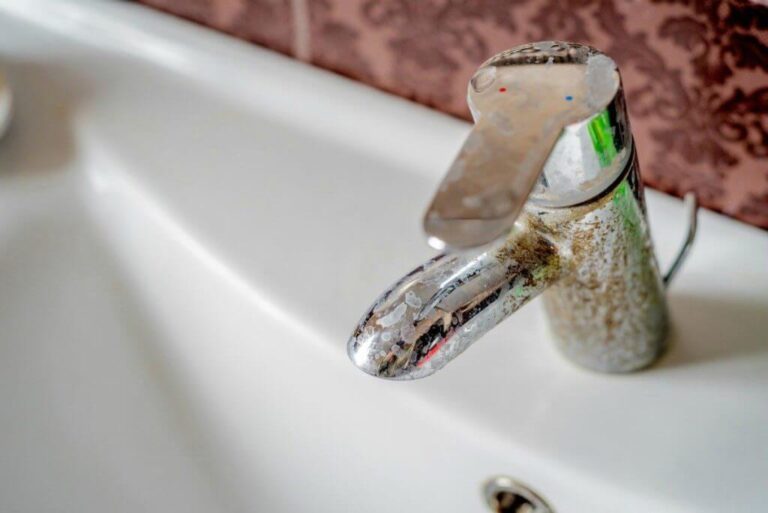
A glass of water should be one of the simplest pleasures in a home. You fill it from the kitchen tap, take a sip, and get on with your day. But what happens when the water has a chlorine-like smell, leaves an odd aftertaste, or simply doesn’t feel as refreshing as you’d expect? Suddenly, something ordinary becomes a small daily frustration.
Water quality can vary depending on the source, local treatment processes, plumbing, and the minerals naturally present in the supply. Sometimes, a taste issue is mainly aesthetic. In other cases, testing may reveal a concern that needs more attention. Knowing the difference helps you make sensible choices without buying equipment you don’t really need.
Start by Understanding What’s Coming From Your Tap
Before looking at filters, take a moment to consider your water source. If your home receives municipal water, your local supplier may publish a water-quality report explaining its source and the results of routine monitoring. If you rely on a private well, regular testing is particularly important because conditions can change with rainfall, nearby land use, and other environmental factors.
Your senses can offer clues, but they can’t tell the whole story. A strong taste or unusual odor may point to a treatment-related issue, plumbing materials, or naturally occurring substances. Clear water, meanwhile, isn’t proof that every possible contaminant is absent. Some substances require specific tests because they cannot be seen, smelled, or tasted.
A suitable water test provides a more reliable starting point. Depending on your concerns, it may examine pH, hardness, iron, dissolved solids, bacteria, or particular contaminants. If you’re worried about a health-related issue, choose an appropriate testing method and consider using a certified laboratory rather than relying on a basic in-home demonstration.
Once you have the results, you can focus on solutions that address the actual problem.
Why Taste and Odor Matter to Everyday Comfort
Water doesn’t need to be unsafe to be unpleasant to drink. Chlorine, for example, is used in many municipal treatment processes to help control harmful microorganisms. Some people notice its taste or smell more strongly than others, especially when drinking plain water.
Certain activated carbon filters can reduce chlorine taste and odor, along with selected other compounds. Their performance depends on the filter design, the water passing through it, and how often the cartridge is replaced. A filter that has reached the end of its service life may no longer provide the expected results.
The goal of better tasting water is often what leads homeowners to explore filtration in the first place. A more pleasant flavor can make it easier to enjoy a glass with meals, fill reusable bottles before leaving home, or prepare tea and coffee without an unwanted aftertaste.
Still, taste alone shouldn’t guide every decision. If the water suddenly develops a strong chemical, fuel-like, or otherwise unusual odor, contact the water supplier or an appropriate professional to investigate. Don’t assume that installing a taste-improving filter will resolve an unknown water-quality problem.
Choosing a System That Fits Your Kitchen
There are several ways to treat drinking water, and each has a different purpose. Pitcher filters and faucet-mounted units can be convenient for modest household needs. Under-sink filters offer a more permanent setup, often using a dedicated faucet or a compatible existing tap. Reverse osmosis systems may be suitable when testing identifies dissolved substances that the selected membrane system is certified to reduce.
When comparing drinking water systems, look beyond the number of filtration stages or the appearance of the product. Check which contaminants or substances the model is designed to reduce and whether its performance claims are supported by independent certification. Two systems that look similar can perform quite differently.
Practical details matter, too. Measure the space beneath your sink, check whether a storage tank is required, and consider how much filtered water your household uses. A family that fills several bottles each morning may need more capacity than someone who mainly wants water for a cup of tea.
Installation requirements and maintenance costs should be part of the comparison. Some units are simple to install, while others need plumbing changes or professional assistance. Filters and membranes must be replaced according to the manufacturer’s schedule, so check the price and availability of replacement parts before committing.
What Reverse Osmosis Can—and Cannot—Do
Reverse osmosis uses pressure to move water through a semipermeable membrane, reducing many dissolved substances. Depending on the model, it may reduce certain salts, metals, and other specified contaminants. Many systems also include prefilters and a post-filter to protect the membrane and improve taste.
However, reverse osmosis isn’t automatically necessary for every home. If the main concern is chlorine taste and a certified carbon filter addresses it, a more complex system may offer little extra practical value. If testing identifies a substance that a particular reverse osmosis unit is designed to reduce, the technology may be worth considering.
There are trade-offs. Conventional systems can send some water to the drain during production, and their membranes and cartridges need periodic replacement. Storage capacity and flow rate also affect convenience. Ask the supplier to explain the system’s expected performance and ongoing costs rather than focusing only on the initial purchase price.
Keep Maintenance on Your Radar
Even a good filtration system needs attention. Cartridges have a limited service life, and neglected equipment may not continue performing as expected. Follow the manufacturer’s replacement instructions instead of waiting until the water tastes different or the flow slows down.
Keep a simple record of installation dates, filter changes, and any water tests you’ve completed. If your source changes or you notice a sudden difference in color, taste, or odor, investigate rather than assuming the filter needs replacing. The issue may have another cause.
Make a Confident Choice for Your Home
Choosing higher-quality drinking water begins with understanding your needs, not buying the most elaborate equipment available. Review your water source, test for relevant concerns, and compare treatment systems based on verified performance, maintenance requirements, and total cost.
A suitable filter can improve taste and reduce specific unwanted substances, but no single device removes everything from every water supply. Be wary of sweeping promises, especially when a salesperson claims that one quick test proves your water is dangerous or that one product solves every possible issue.
With reliable information and regular maintenance, improving your home’s drinking water can be a straightforward, worthwhile project. The best system is the one that addresses a real concern, fits your daily routine, and continues to perform as intended long after installation.