Water is one of those things most people rarely think about until it starts causing trouble. A cloudy glass, stubborn white marks on a shower door, or a kettle coated with mineral deposits can seem like minor annoyances. Over time, though, these little signs may point to a water quality issue that affects everyday comfort, household appliances, and the condition of plumbing fixtures. Understanding what is happening inside your water supply can help you make sensible decisions without spending money on solutions you don’t really need.
Understanding What Hard Water Does Around the House
Hard water contains dissolved minerals, particularly calcium and magnesium. These minerals occur naturally as water moves through soil and rock, so hard water is common in many areas. It isn’t generally considered a health risk, but it can create a surprising amount of extra work at home.
Soap may struggle to produce a rich lather, leaving skin feeling dry after a shower. Laundry can come out stiff, and glassware may develop spots even after a careful wash. Some households also notice that cleaning products seem less effective than they should be.
Installing a suitable treatment system can help address these concerns. For many homeowners, soft water means easier cleaning, less soap residue, and a more comfortable daily routine. The improvement may not feel dramatic on the first day, but the difference often becomes clearer over weeks of ordinary use.
Still, every home is different. Water hardness levels vary by location, and not every household needs the same equipment. A proper water test is a sensible starting point before choosing a treatment system.
Why Mineral Deposits Deserve Attention
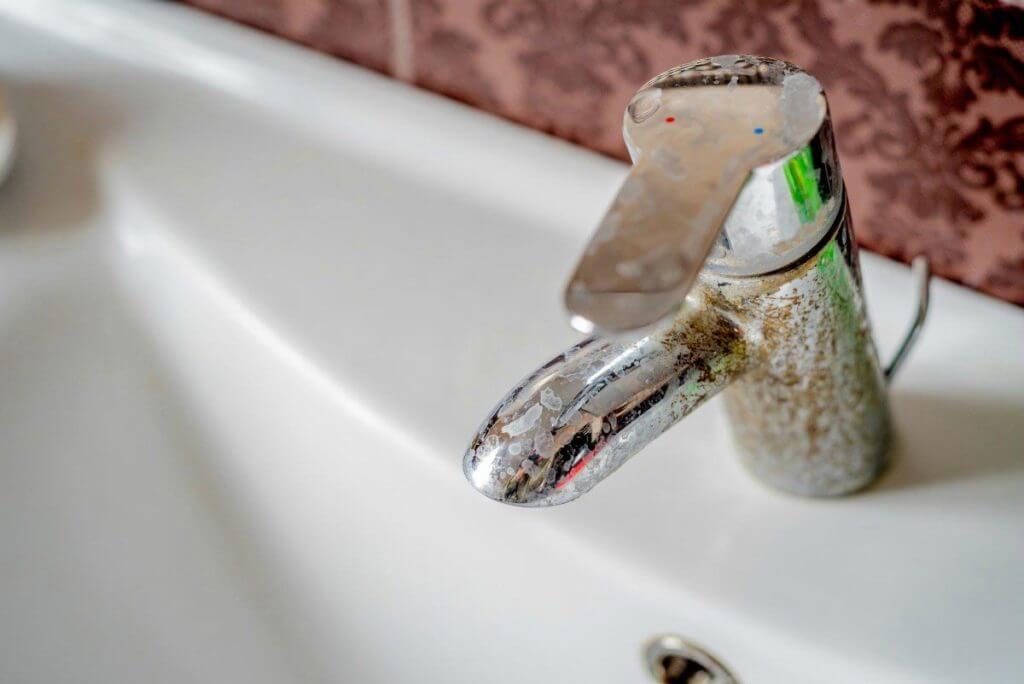
Minerals left behind as water evaporates can gradually form a hard, chalky layer on taps, showerheads, tiles, and other surfaces. This residue is often easy to spot around faucets or at the bottom of a kettle. What happens inside pipes and appliances is less visible, which is why the problem sometimes goes unnoticed for years.
As mineral deposits accumulate, they can interfere with the performance of water-using equipment. Heating elements in water heaters, for example, may become coated with scale. That layer can reduce heat transfer efficiency and contribute to additional wear. Dishwashers, washing machines, and coffee makers may also need more frequent cleaning when mineral-rich water is involved.
The amount of buildup depends on several factors, including water hardness, temperature, usage, and the design of the equipment. A home with moderately hard water may experience only occasional deposits, while another with very hard water could face recurring problems.
Reducing scale buildup can make household cleaning easier and help protect equipment from avoidable mineral deposits. Depending on the test results, a water softener or another appropriate treatment method may be worth considering. Descaling products can also help remove existing deposits, although they don’t necessarily address the underlying cause.
Choosing a Water Treatment System That Fits
Water treatment isn’t a one-size-fits-all purchase. Before comparing brands or prices, think about the problems you actually want to solve. Are white marks appearing throughout the house? Does the water have an unusual smell? Are there concerns about sediment, iron, or drinking water quality?
Different systems handle different issues. Water softeners are designed primarily to reduce hardness minerals. Reverse osmosis systems can reduce various dissolved substances in drinking water, depending on the unit and its certification. Sediment filters capture particles, while activated carbon filters can improve taste and odor by reducing certain contaminants.
These systems aren’t interchangeable. A softener won’t automatically remove every contaminant, and a basic sediment filter won’t solve hard water. That is why water testing matters. Results help identify the problem and narrow down the options instead of relying on guesswork or a salesperson’s broad promises.
It’s also worth considering installation requirements, ongoing operating costs, replacement parts, and available service. The cheapest unit may not offer the best long-term value if its maintenance requirements are difficult to manage or replacement components are expensive.
Everyday Habits That Help Protect Your Plumbing
Even with a treatment system in place, household water equipment needs some attention. Check faucet aerators and showerheads occasionally for deposits, and clean them according to the manufacturer’s recommendations. If you notice reduced water flow, don’t immediately assume a major plumbing issue; a clogged aerator may be all that’s wrong.
Water heaters deserve attention as well. Follow the manufacturer’s guidance for inspections and servicing, particularly if your home has hard water. Flushing or descaling procedures vary by equipment type, so it’s best not to improvise with unfamiliar systems. If you’re unsure, a qualified technician can explain what is appropriate.
Good plumbing maintenance also means noticing changes early. A slow leak beneath a sink, unexplained drops in water pressure, or a sudden change in water appearance deserves a closer look. Small issues are often easier to investigate before they lead to damaged cabinets, wasted water, or an expensive repair.
Keep an eye on treatment equipment, too. Filters may need replacement, salt levels in some softeners require checking, and control settings should match the manufacturer’s instructions. A simple reminder on your calendar can prevent routine tasks from slipping through the cracks.
Looking Beyond Cleaning and Convenience
Water quality can affect more than the bathroom and kitchen. Mineral deposits may shorten the useful life of certain appliances, while untreated contaminants can raise separate concerns depending on their type and concentration. If your water comes from a private well, regular testing is particularly important because its quality can change with weather, nearby land use, or conditions underground.
For homes supplied by a public utility, reviewing the local water quality report can provide useful background. However, a report describes the utility’s water supply rather than every possible issue inside an individual home. Older plumbing, household fixtures, or private storage systems may introduce additional concerns.
If you suspect a specific contaminant, use an appropriate test rather than relying on taste, smell, or appearance alone. Some substances cannot be detected by the senses. Where results show a problem, choose treatment equipment designed for that particular contaminant and follow trusted professional guidance.
Making a Practical Long-Term Decision
Better water doesn’t necessarily require a complicated renovation or the most expensive equipment on the market. Often, the smartest approach is to identify one clear problem, understand its cause, and choose a solution that fits the household’s needs.
Start with reliable test results. Compare treatment systems based on their capabilities, certification, installation costs, and maintenance requirements. Ask what ongoing care the equipment needs and whether replacement filters or other parts are easy to obtain. These details may seem unexciting when you’re shopping, but they matter once the system becomes part of everyday life.
It’s also helpful to keep expectations realistic. A softener can reduce hardness minerals, but it won’t repair damaged pipes or solve every possible water quality issue. Regular cleaning still matters, and plumbing problems may need attention even when the water has been treated.
A home runs more smoothly when its water supply and plumbing equipment receive a little care. By understanding the water you use, addressing mineral deposits early, and maintaining the equipment you already own, you can make everyday tasks easier and avoid some unnecessary expenses. Sometimes, a better home environment begins with something as simple as paying closer attention to the water coming out of the tap.