Introduction
There’s a fine line between helpful and pushy when it comes to upselling techniques, and most businesses get it wrong in one direction or the other. Done well, upselling and cross-selling genuinely benefit the customer — they walk away with something more useful, and you walk away with higher revenue per transaction.
The Difference Between Upselling and Cross-Selling
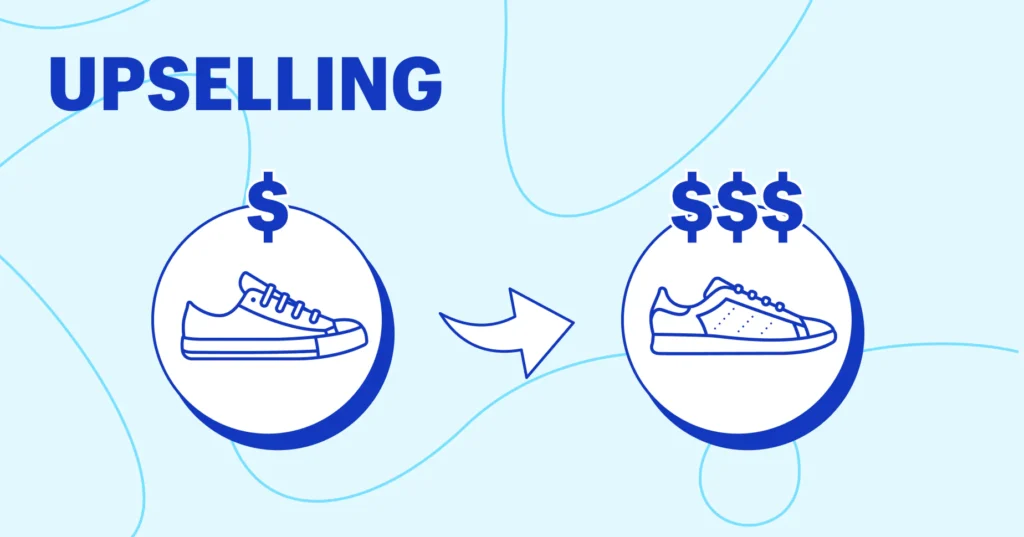
Upselling means encouraging a customer to buy a higher-tier version of what they’re already considering. Cross-selling means suggesting a related, complementary product. Good upselling techniques know exactly when to use each.
Quick answer: Effective upselling techniques focus on genuine relevance to the customer’s need, are offered at the right moment in the buying process, and never pressure the customer into paying more than the value justifies.
Time It Right
Upselling too early, before someone’s committed to the base purchase, often backfires. Wait until they’ve decided to buy something before suggesting an upgrade.
Focus on Value, Not Just Price
“This premium version comes with priority support and double the storage” is far more persuasive than simply pointing out a higher price point exists. Always frame the upgrade around what they gain.
Picture an online electronics store that used to just list a “premium” option with a higher price tag and nothing else. After they rewrote the option to clearly explain the extended warranty and faster processor included, upgrade rates increased meaningfully — same product, better framing.
Use Genuine Bundling for Cross-Sells
“Customers who bought this also bought…” works because it’s genuinely useful, not because it’s manipulative. Keep cross-sell suggestions relevant, not random.
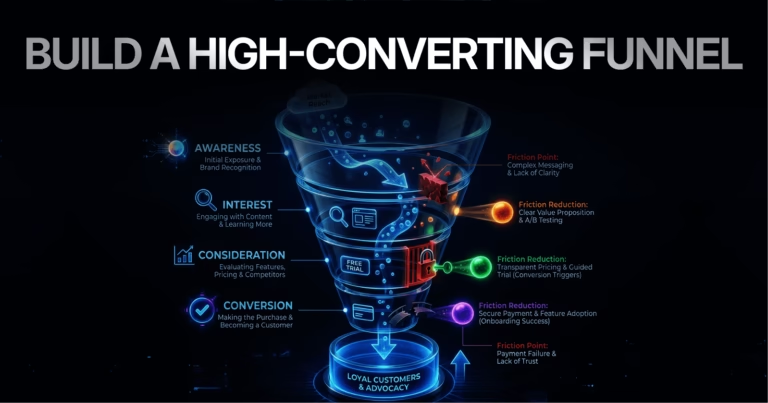
[link to related guide about building a sales funnel here]
Train Your Team to Read the Moment
In-person or live chat sales benefit enormously from reading whether a customer is open to an upsell suggestion or clearly just wants to complete their purchase quickly. Forcing it in the wrong moment damages trust.
- Ask a genuine question first (“Are you looking for something more heavy-duty?”)
- Offer the upgrade as an option, not a default
- Respect a clear “no” without pushing further
Use Limited, Relevant Upsell Options
Offering five different upgrade tiers overwhelms people and often leads to no decision at all. One or two clear, relevant options convert far better than an overwhelming list.
Leverage Post-Purchase Cross-Selling
Not every cross-sell has to happen at checkout. Follow-up emails suggesting complementary products a week or two after purchase often perform well, especially for consumable or accessory items.
Common Mistakes That Turn Customers Off
- Suggesting upgrades that clearly don’t match the customer’s stated need
- Making the upsell feel mandatory rather than optional
- Overloading the customer with too many options at once
FAQ
Q: Does upselling actually annoy customers? Only when it’s irrelevant or pushy — when done thoughtfully, most customers appreciate genuinely useful suggestions.
Q: What’s a good upsell conversion rate to aim for? It varies by industry, but many businesses see healthy results anywhere between 10-30% acceptance on well-targeted upsell offers.
Q: Is cross-selling more effective online or in person? Both can work well, though online cross-selling benefits from data-driven personalization that in-person interactions can’t always replicate.
Q: Should upselling happen before or after checkout? Both can work — pre-checkout upsells increase order value, while post-purchase cross-sells build repeat business.
Q: How do I train staff to upsell without sounding scripted? Focus on training them to understand customer needs first, then naturally connect that need to the relevant upgrade or add-on.
Conclusion
Good upselling and cross-selling isn’t about squeezing more money out of every transaction — it’s about genuinely matching customers with something more useful when the moment is right. Time it well, keep the value clear, and always leave room for a graceful “no thanks.” Done this way, it builds trust instead of eroding it.
Suggested Image Alt Text: “sales associate showing customer product upgrade options”